Why Weight Loss Medications Don’t Always Work Forever
GLP-1 medications like Ozempic®, Wegovy®, and Mounjaro® have changed millions of lives. They help people feel full sooner, reduce cravings, and stabilize blood sugar. But for many, after several months, the results slow down or stop completely. That’s not failure — it’s biology.
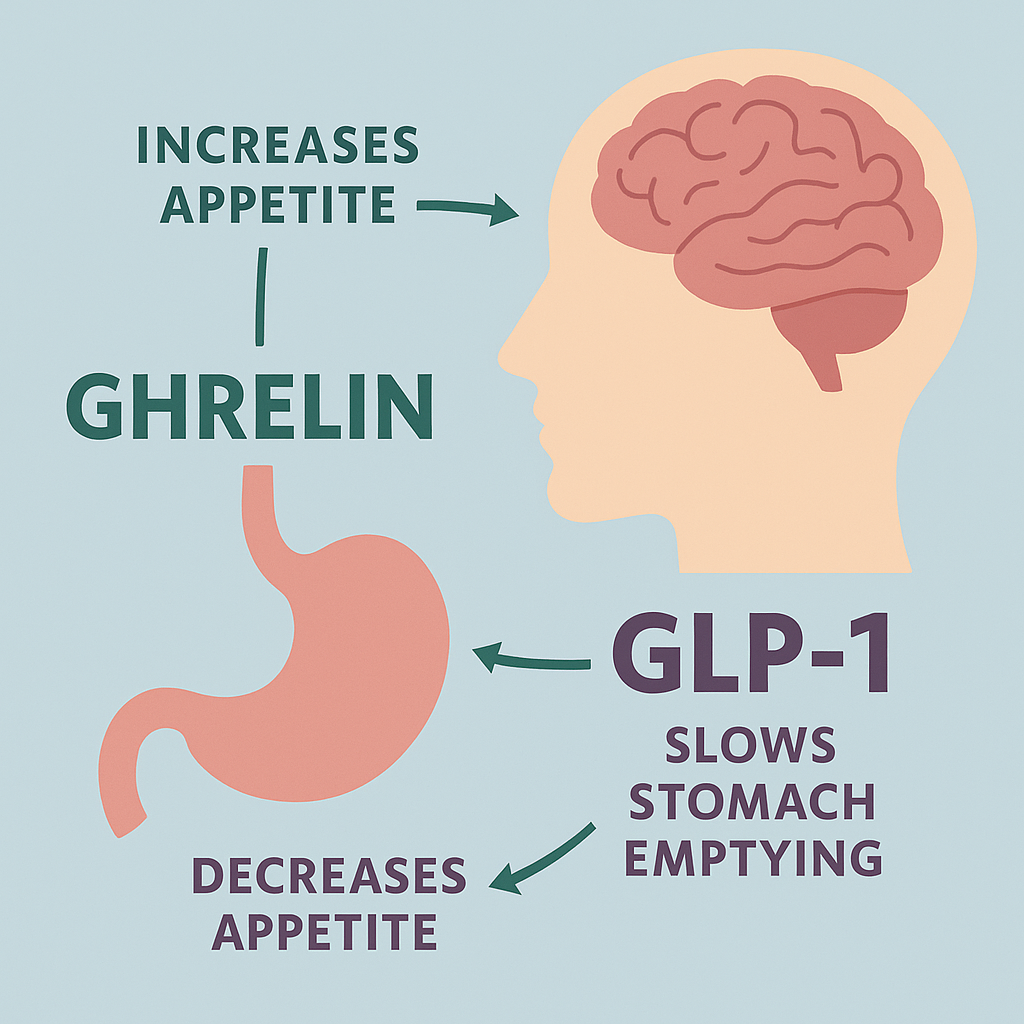
Your body adapts. Over time, the “hunger hormone” ghrelin can increase again, signaling your brain to eat even when you’re on a calorie-controlled diet. This hormonal rebound often leads to plateaus, where weight loss halts even though you’re still following your program.
Two Hormones, One Solution
GLP-1 drugs work by increasing fullness and slowing digestion.
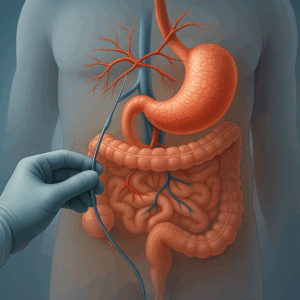
The Hunger Block™ Procedure, on the other hand, targets ghrelin — the hormone that causes cravings.
Together, they form a powerful one-two punch:
- GLP-1 medications help you feel satisfied after meals.
- Bariatric embolization reduces the frequency and intensity of hunger itself.
Patients often find it easier to fast, avoid snacking, and stay consistent long-term. It’s not just about eating less — it’s about finally quieting the constant mental battle with food.
Breaking Through the Platea
When performed by an experienced interventional radiologist, the Hunger Block™ Procedure is quick, safe, and outpatient-based. Most patients experience a noticeable drop in appetite within weeks and continue losing weight for several months.
Combining it with GLP-1 therapy can help patients who’ve stalled reignite their fat loss and maintain results with less medication over time.
If you’ve hit a wall with your weight loss medication, this dual-therapy approach may be the key to breaking through.