Inside the Procedure: What Really Happens During Bariatric Embolization

A Precise, Non-Surgical Approach to Weight Loss

Bariatric embolization — also known as the Hunger Block™ Procedure — is performed by interventional radiologists, physicians trained to treat conditions inside the body using image guidance and microcatheters rather than scalpels. It’s designed for people who need another option between medication and major surgery.

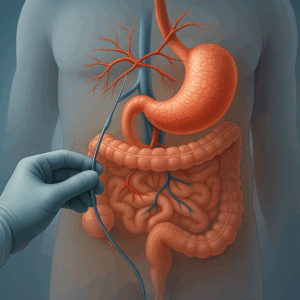
During the procedure, a thin catheter is inserted through a tiny puncture in the wrist or groin. Using real-time X-ray imaging, the physician navigates to the left gastric artery, which supplies the upper stomach where ghrelin is made. Once positioned, the doctor releases microscopic beads to slow blood flow in this region. Less blood flow means less ghrelin production — and that means fewer intense hunger signals.

The Experience: Fast, Safe, and Minimally Invasive

The entire process typically takes about an hour, and patients are awake but relaxed. Most go home the same day. Side effects are mild — temporary nausea or discomfort — and usually resolve within a few days.
Within weeks, patients notice reduced appetite and improved control over cravings. In clinical studies, people lost 6–8% of their total body weight in the first few months, often with continued loss afterward.

The Future of Fat Loss Medicine

Bariatric embolization is not a replacement for healthy habits — it’s a catalyst that makes sustainable change achievable. As more research confirms its long-term safety and effectiveness, it’s becoming one of the most promising new tools in the fight against obesity.

It’s quick. It’s minimally invasive. And it’s changing lives — one patient at a time.

Would you like me to generate the three blog header images (each in a flat, professional style matching medical site branding — 1200×675 px, web-optimized)?
I can create those next with consistent typography and visuals (e.g., teal/blue clinical color scheme, modern sans-serif, subtle anatomy outlines).

When Weight Loss Medications Stop Working: Why the Hunger Block™ Procedure Complements GLP-1 Drugs

Why Weight Loss Medications Don’t Always Work Forever

GLP-1 medications like Ozempic®, Wegovy®, and Mounjaro® have changed millions of lives. They help people feel full sooner, reduce cravings, and stabilize blood sugar. But for many, after several months, the results slow down or stop completely. That’s not failure — it’s biology.

Your body adapts. Over time, the “hunger hormone” ghrelin can increase again, signaling your brain to eat even when you’re on a calorie-controlled diet. This hormonal rebound often leads to plateaus, where weight loss halts even though you’re still following your program.

Two Hormones, One Solution

GLP-1 drugs work by increasing fullness and slowing digestion.
The Hunger Block™ Procedure, on the other hand, targets ghrelin — the hormone that causes cravings.

Together, they form a powerful one-two punch:

  • GLP-1 medications help you feel satisfied after meals.
  • Bariatric embolization reduces the frequency and intensity of hunger itself.

Patients often find it easier to fast, avoid snacking, and stay consistent long-term. It’s not just about eating less — it’s about finally quieting the constant mental battle with food.

Breaking Through the Platea

When performed by an experienced interventional radiologist, the Hunger Block™ Procedure is quick, safe, and outpatient-based. Most patients experience a noticeable drop in appetite within weeks and continue losing weight for several months.
Combining it with GLP-1 therapy can help patients who’ve stalled reignite their fat loss and maintain results with less medication over time.

If you’ve hit a wall with your weight loss medication, this dual-therapy approach may be the key to breaking through.

From First-in-the-Nation to the Future: How Bariatric Embolization Is Changing Obesity Treatment

A Groundbreaking Step in the Fight Against Obesity

In 2014, physicians at Dayton Interventional Radiology made history by performing the first U.S. bariatric transcatheter embolization procedure to treat obesity. This minimally invasive approach, known as bariatric embolization, marked the first time interventional radiologists attempted to directly target the biological source of hunger — the stomach’s ghrelin-producing cells.

Instead of surgical incisions, doctors used a tiny catheter inserted through the wrist or groin to deliver microscopic particles into the left gastric artery, the vessel that feeds the upper part of the stomach. These particles gently blocked blood flow to the ghrelin-producing area, reducing the hormone responsible for triggering appetite. Early results were promising: patients not only lost weight but also reported a significant decrease in constant hunger cravings.

The Research That Started It All

The Gastric Artery Embolization Trial for Lessening Appetite Nonsurgically (GET LEAN) study, led under FDA supervision, collected safety and efficacy data on this first-in-human U.S. procedure. Researchers aimed to understand how much weight patients could lose, how their hunger levels changed, and whether this minimally invasive approach could become a long-term treatment option for obesity.

The findings paved the way for what we now recognize as the Hunger Block™ Procedure — an evolution of bariatric embolization that blends decades of radiology experience with a deep understanding of metabolic science.

A New Era: The Hunger Block™ Procedure

Today, the Hunger Block™ Procedure offers patients a non-surgical, outpatient path toward better metabolic health. It’s particularly effective for people whose weight loss has plateaued on popular medications like Ozempic® or Wegovy®. By targeting ghrelin at its source, it helps break through that frustrating wall and reignite progress — safely and sustainably.

With every new study, the evidence grows stronger: hunger and metabolism can be managed without invasive surgery. Bariatric embolization represents a future where precision medicine and interventional radiology reshape the way we think about obesity care.

Take risk assessment now